Extent and cause
A contained flashing or penetration issue differs from widespread material failure, storm damage, or multiple leak paths.
Roof scope decision guide
Last reviewed July 30, 2026 by Home Upgrade Costs editorial and methodology review
A localized repair can be sensible when the roof system is otherwise serviceable and the source of damage is clear. Replacement becomes more plausible when age, recurring leaks, widespread wear, incompatible prior repairs, substrate problems, or a major remodel change the value of another patch.
Planning range
Decision first, price second
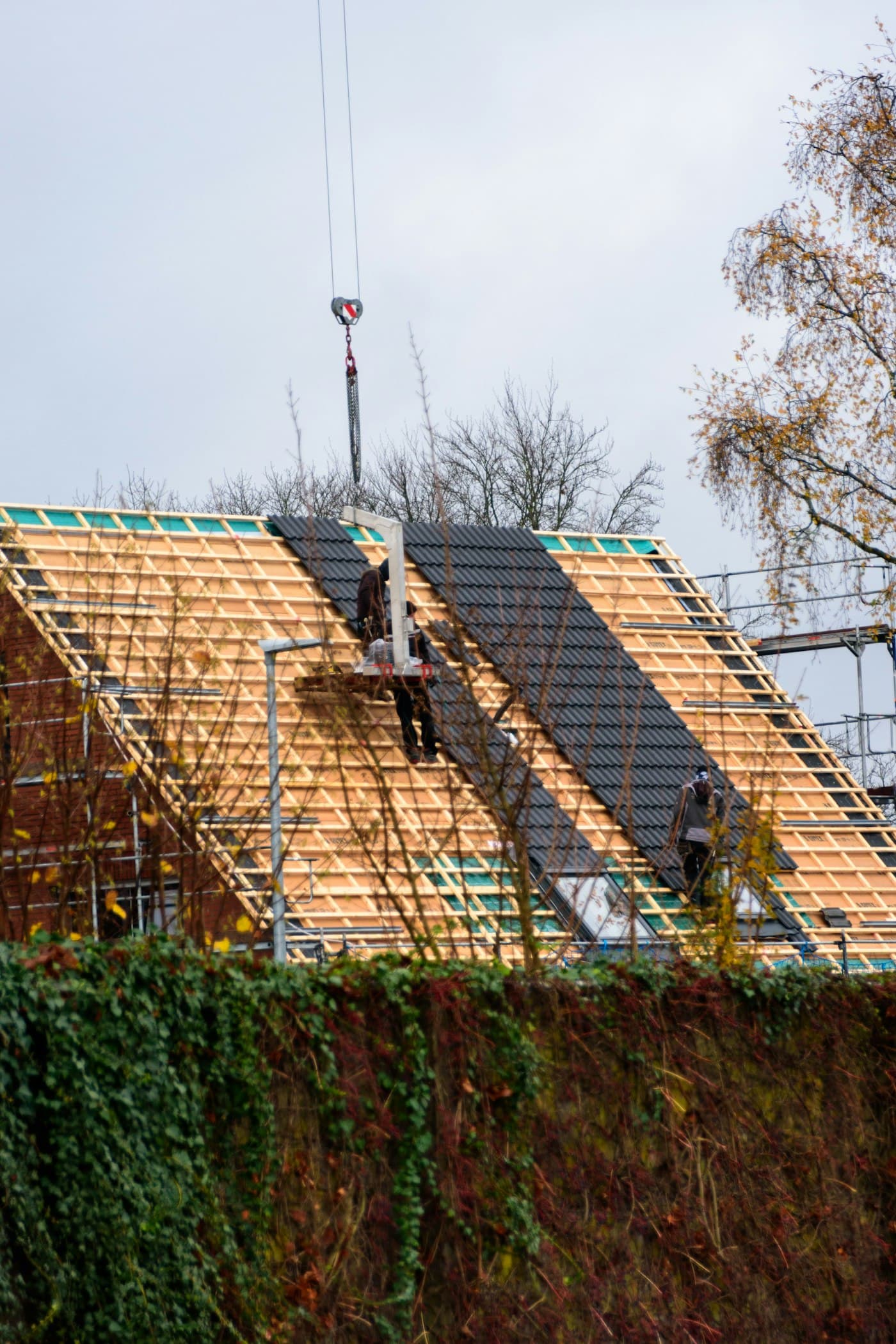
Repair and replacement are not interchangeable price options. The useful comparison is expected scope, remaining service life, recurrence risk, warranty, disruption, and the condition of the roof system around the damaged area.
Main cost drivers
These factors help explain quote differences without treating a planning estimate as a final bid.
A contained flashing or penetration issue differs from widespread material failure, storm damage, or multiple leak paths.
Roof age alone is not a diagnosis, but system condition and compatibility affect whether a repair is durable.
Moisture, deck damage, insulation, structural concerns, and prior concealed work can change the decision after inspection.
Project scope
Quote comparison
Permits and inspection
Repairs and replacements may have different permit, inspection, material, and code-trigger requirements. Confirm the proposed scope with the local authority and contractor.
Project context
Weather exposure, material type, maintenance, storm history, roof geometry, and future remodel plans all affect the repair-versus-replace decision.
How we calculate this guide
This decision framework weighs damage extent, roof age, material availability, leak history, substrate and flashing condition, prior repairs, warranty, planned ownership, and project disruption. It does not diagnose a roof remotely or assume replacement is always the better financial choice.
Read the full methodologyEstimate limitations
The estimate is a planning range, not a contractor bid or insurance coverage decision.
Decking damage, hidden moisture, structural work, access, code requirements, and written scope can move the final price outside the range.
A roofer must measure the roof, inspect layers and substrate, and confirm permit requirements before final pricing.
See something that needs correction? Contact Home Upgrade Costs.
Related planning tools
FAQ
No. It is a planning guide. Final pricing requires site inspection, measurements, permits or utility review when applicable, and a written contractor scope.
Compare the same project scope, equipment or material specification, permits, inspections, exclusions, warranty, schedule, payment terms, and change-order process.
Roof Replacement planning
Homeowners do not pay to submit a request. Contractor availability, response, final pricing, and project acceptance are not assured.