Reuse or replace
Removing and resetting sound tile differs from supplying a complete new tile system, and matching discontinued tile can add uncertainty.
Tile roofing planning guide
Last reviewed July 30, 2026 by Home Upgrade Costs editorial and methodology review
A tile roof quote may cover full tile replacement, careful removal and reset of reusable tile, or a mixed scope with new underlayment and selected replacement pieces. Those are different projects. This guide helps homeowners identify underlayment, flashing, breakage, weight, access, and warranty assumptions before comparing quotes.
Planning range
Higher-complexity roof planning band
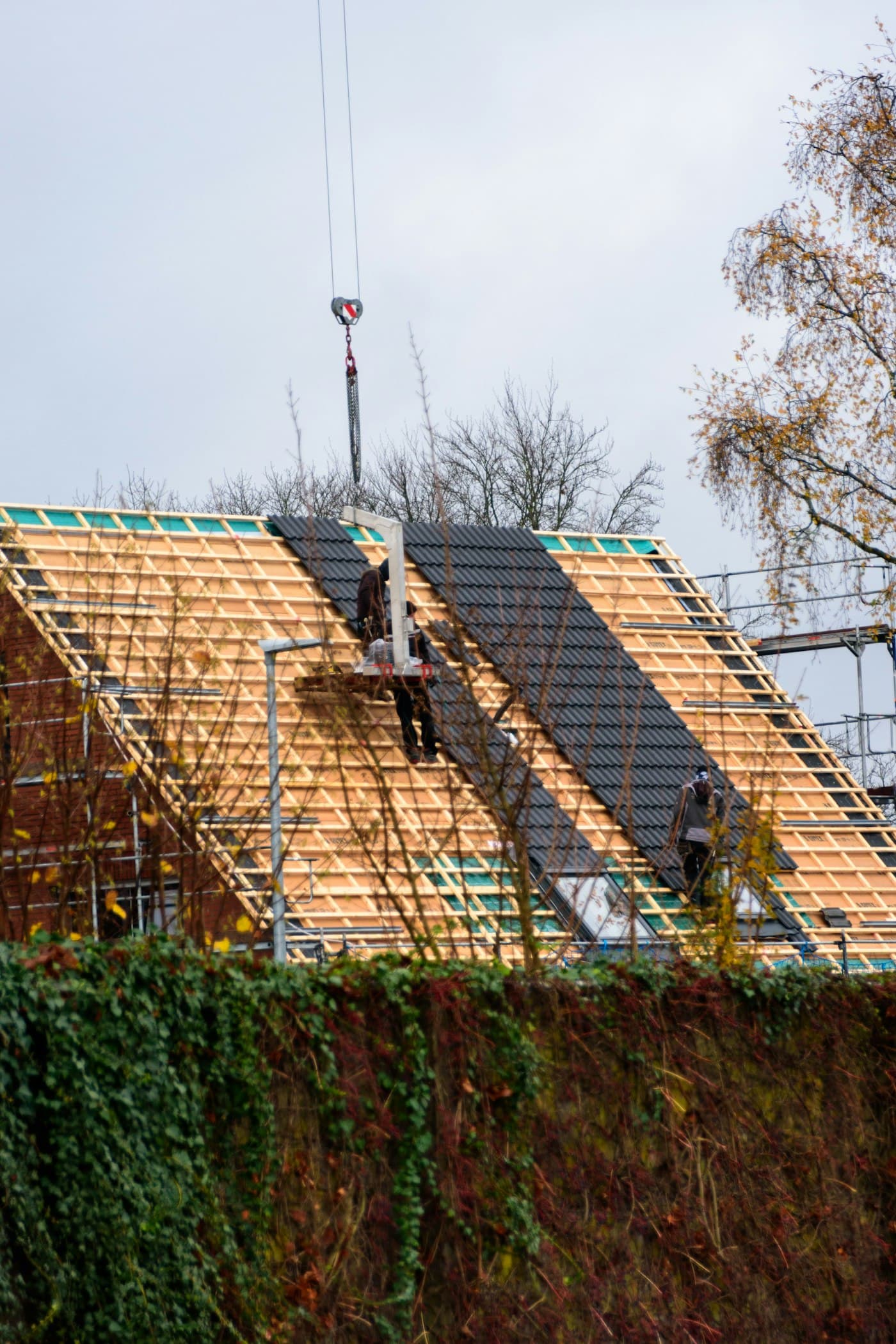
Tile projects often sit above basic shingle replacement because the assembly is heavier, handling is slower, breakage must be planned, and underlayment or structural details may require more labor.
Main cost drivers
These factors help explain quote differences without treating a planning estimate as a final bid.
Removing and resetting sound tile differs from supplying a complete new tile system, and matching discontinued tile can add uncertainty.
The visible tile may remain serviceable while underlayment, valleys, penetrations, or flashing need a fuller scope.
Fragile materials, roof pitch, staging area, stories, and safe access affect crew time and breakage planning.
Project scope
Quote comparison
Permits and inspection
Ask the roofer to confirm permit, product approval, fastening, fire classification, weight, and inspection requirements for the chosen tile assembly.
Project context
Tile performance and scope depend on climate exposure, roof structure, drainage, underlayment age, maintenance history, and local product requirements.
How we calculate this guide
The planning model separates reusable versus replacement tile, removal and staging, underlayment system, flashing, battens or fastening, breakage allowance, roof geometry, access, disposal, and inspection assumptions. It does not assume every tile roof needs structural work or that existing tiles are reusable.
Read the full methodologyEstimate limitations
The estimate is a planning range, not a contractor bid or insurance coverage decision.
Decking damage, hidden moisture, structural work, access, code requirements, and written scope can move the final price outside the range.
A roofer must measure the roof, inspect layers and substrate, and confirm permit requirements before final pricing.
See something that needs correction? Contact Home Upgrade Costs.
Related planning tools
FAQ
No. It is a planning guide. Final pricing requires site inspection, measurements, permits or utility review when applicable, and a written contractor scope.
Compare the same project scope, equipment or material specification, permits, inspections, exclusions, warranty, schedule, payment terms, and change-order process.
Roof Replacement planning
Homeowners do not pay to submit a request. Contractor availability, response, final pricing, and project acceptance are not assured.